




Description
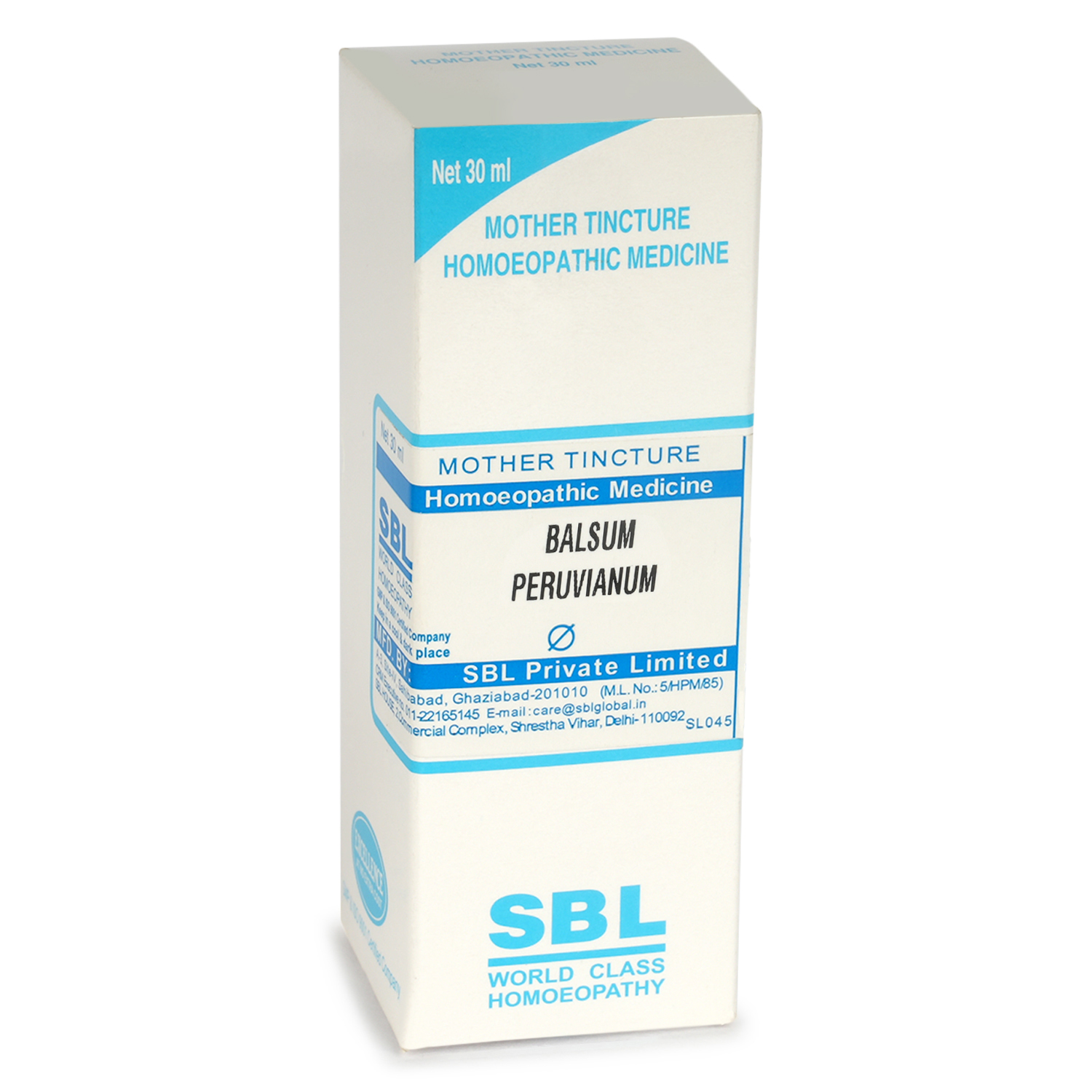
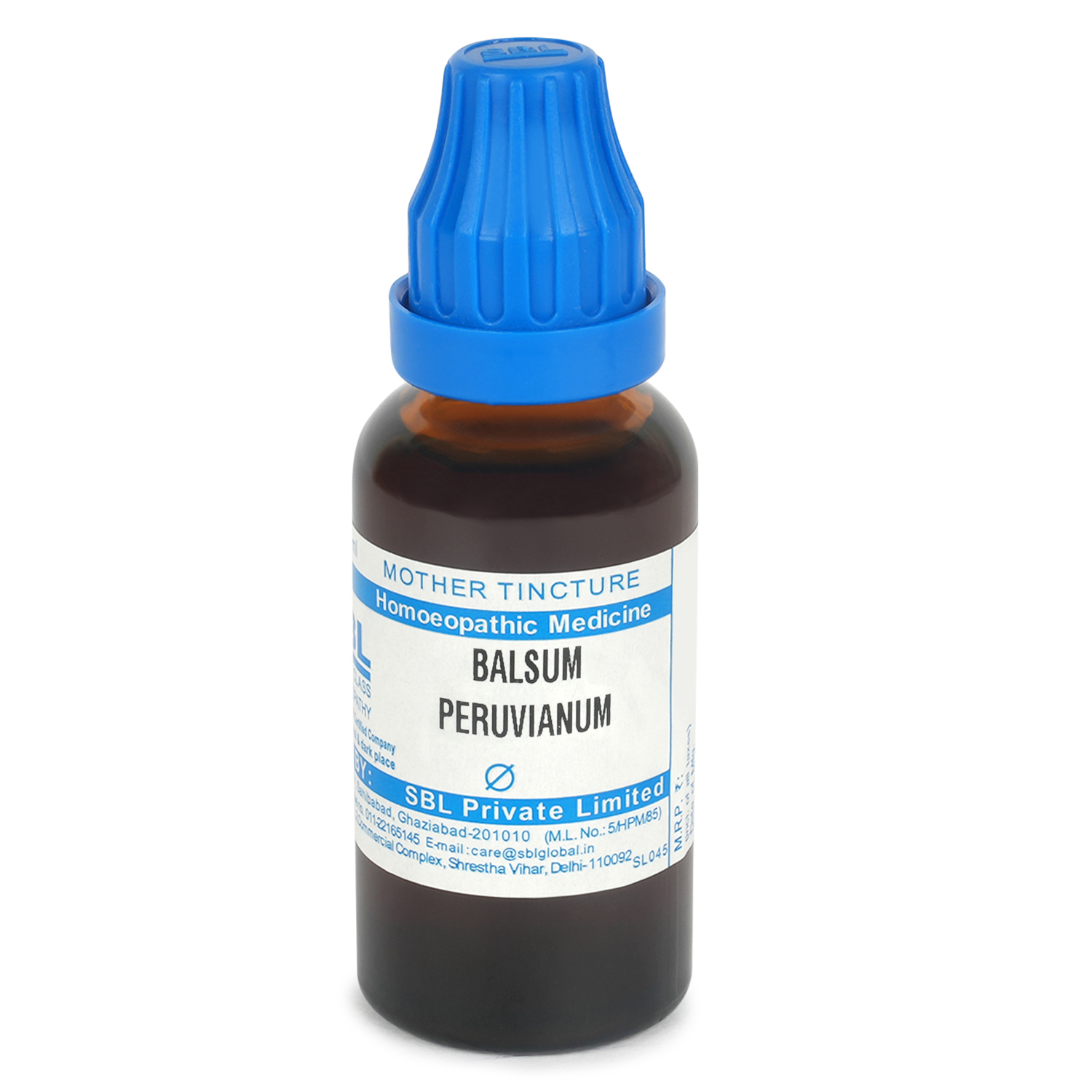
Balsam peruvian, commonly known as Balsam of Peru, is a valuable homoeopathic medicine prepared from the balsam that exudes from the stems of the Myroxylon tree belonging from Leguminosae family. It is known for its powerful action on mucous membranes and chronic catarrhal conditions. It is especially indicated in respiratory, gastrointestinal, and urogenital tract disorders, where thick, purulent, or mucous discharges are predominant. It also shows notable skin and ulcerative actions, making it useful in dermatological conditions and debilitating constitutional states such as phthisis (tuberculosis).
Common Name: Peruvian Balsam
SBL’s Balsam peruvian can be helpful in the following conditions:
• Dry Cough and Phthisis
- Dry cough with scraping in the larynx, particularly in the forenoon.
- Mucous and purulent expectoration.
- Mucous-type phthisis (pulmonary tuberculosis) with formation of vomica (lung abscesses).
- General bronchitis and respiratory catarrh.
• Nasal Discharge
- Profuse, thick nasal discharge (chronic or acute).
- Bleeding from the right nostril, without sneezing, coryza, or nose-blowing.
- Ozæna (chronic atrophic rhinitis) with ulceration.
• Throat Discomfort
- Persistent scraping in the fauces, indicative of catarrhal irritation.
• Gastrointestinal Disorders
- Gastric catarrh with vomiting of food and mucus.
- Aids in mucous diarrhea specifically painless, copious liquid stools.
- Passage of blood with otherwise normal stool (not associated with haemorrhoids).
• Polyuria and Bladder Catarrhal
- Frequent and copious urination.
- Scanty urine with mucous sediment.
- Cutting and sticking sensations in the urethra.
- Catarrhal inflammation of the bladder.
• Skin & Mucous Membranes
- Ulcers and rhagades (cracks) especially on nipples and fingers.
- Itching eruptions, skin irritation, and eczema-like conditions.
• Circulatory & General Debility
- Hectic states with weakness and emaciation.
- Marked debility associated with chronic diseases such as tuberculosis.
• Extremities Pain
- Oppressive pain in the right wrist.
- Severe boring or aching pain in the tibia, particularly on the left; right tibia also affected.
Reviews
There are no reviews yet.