
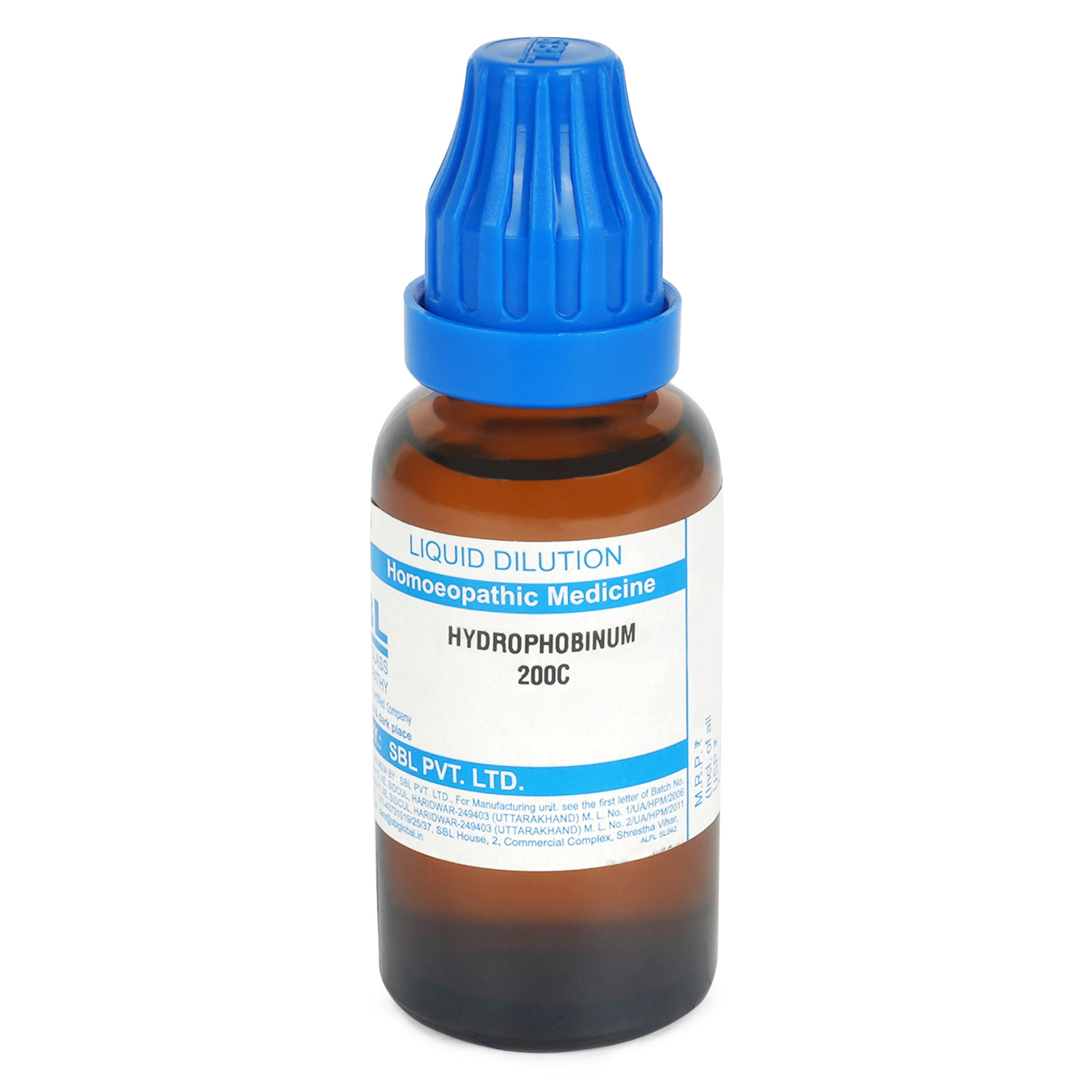


Description
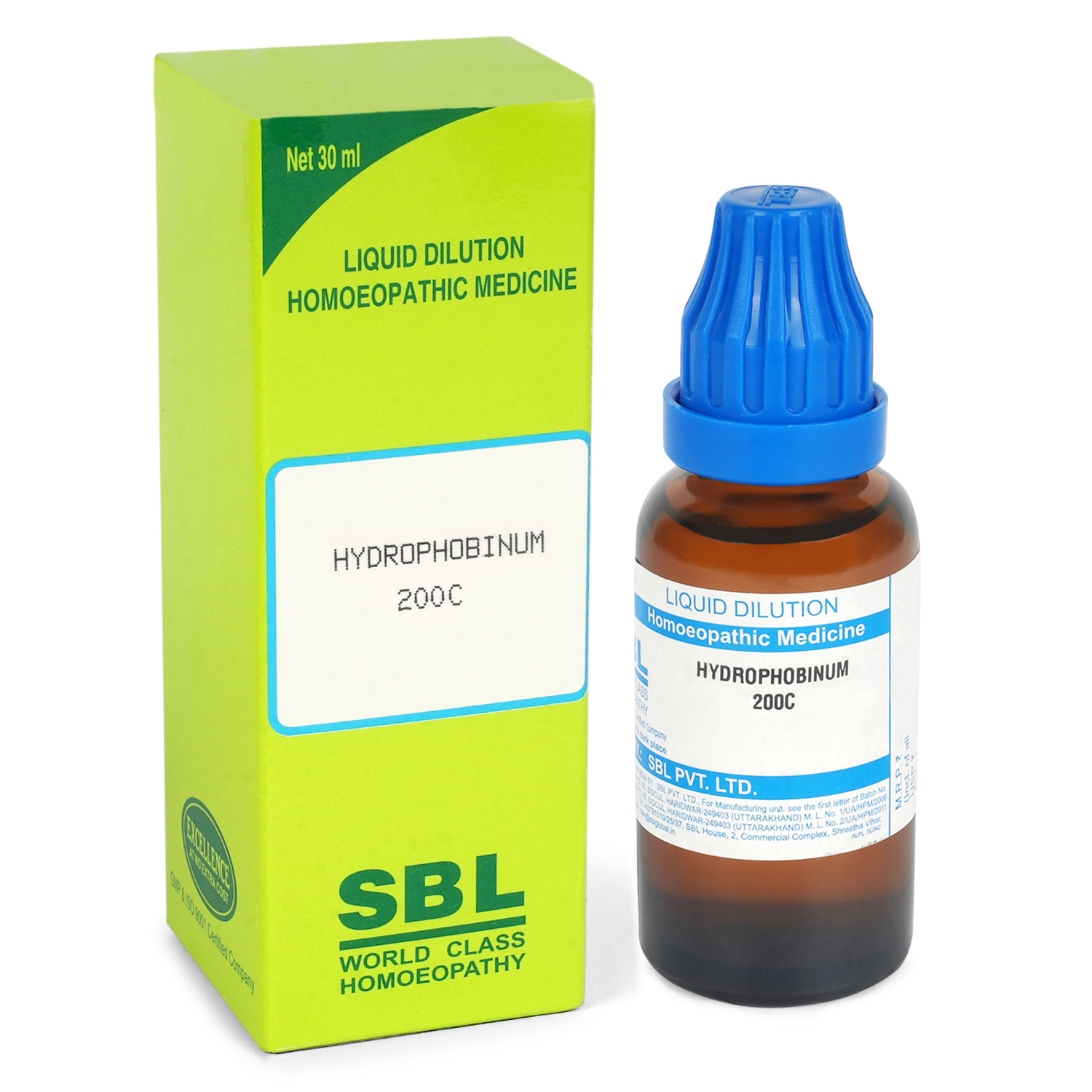
Hydrophobinum is a valuable and unique homoeopathic medicine prepared from the saliva of a rabid dog, often known by the synonym Lyssin. This medicine is known for its deep action on the central nervous system, mucous membranes, and the sexual and emotional spheres. Hydrophobinum exhibits strong anti-miasmatic properties and is especially indicated in conditions arising from suppressed emotions, nervous hypersensitivity, convulsions, erratic behaviors, and hydrophobic tendencies. It is particularly helpful in post-animal bite symptoms, violent nervous affections, and ailments resulting from emotional trauma or suppressed sexual energy. The medicine also shows a marked influence on the throat, respiratory tract, and mental faculties, often bringing relief in both acute and chronic nervous and neurogenic states.
Common Name
English: Saliva of a rabid dog (Lyssin)
SBL’s Hydrophobinum can be helpful in the following conditions:
Nervous and Mental Disturbances
• Intense nervous excitability with fears, phobias, or uncontrollable impulses.
• Thoughts of violence or harmful actions, often irrational and involuntary.
• Sudden outbursts of rage, biting tendencies, and desire to harm.
• Obsessions, hallucinations, and clairvoyant states.
• Acute sensitivity to external stimuli like sound, light, and smell.
• Mania, lyssophobia, or hysterical behaviors following animal bites or emotional shocks.
• Anxiety and fear of water (hydrophobia), wind, or bright lights.
Head and Brain Symptoms
• Violent headaches with pressing, throbbing pain, especially in the temples and forehead.
• Head feels light, sore, or as though filled with air.
• Convulsive movements of the head and neck; somnambulism.
• Increased oiliness of hair; irritable and sensitive scalp.
Eyes and Vision
• Intense photophobia and visual hallucinations.
• Rolling, staring eyes with dilated pupils; ulcers in the eye following bite wounds.
• Vision of distant or imaginary figures (clairvoyance).
Ear and Nose Hypersensitivity
• Extreme sensitivity to noise; even conversation may trigger convulsions.
• Strong sensitivity to smells; aggravation from tobacco or snuff.
• Frequent sneezing as if a cold is about to begin, often caused by light or dust.
Throat and Swallowing Issues
• Intense spasm of the throat, especially when attempting to drink water.
• Sore, burning throat with constant need to swallow but inability to do so.
• Aversion to water; spasms triggered by the sight or sound of fluids.
Digestive and Abdominal Complaints
• Nausea, vomiting, and faintness after eating or drinking with prostration and restlessness.
• Diarrhea or dysentery aggravated by hearing or seeing running water. Swollen inguinal glands. Tenesmus during and after stool. Bloody mucus stool.
• General soreness and rigidity in whole of abdomen; inability to digest solid foods.
Urinary and Sexual System
• Frequent urination triggered by the sound or sight of water.
• Satyriasis or excessive sexual excitement, especially in males.
• Involuntary seminal emissions, priapism, or hydrocele.
• Female sexual hypersensitivity; prolapsed uterus and painful coition.
Respiratory System
• Breathing difficulties with spasmodic tightness in the chest and throat.
• Barking, hoarse voice with dry cough.
• Dyspnea aggravated by cardiac pain or anxiety.
Spinal and Limb Afflictions
• Ascending paralysis (Landry’s disease); twitching in limbs and muscles.
• Weakness in legs, trembling, and spontaneous jerking.
• Pain along sciatic nerve; heaviness of limbs.
Skin and Wound Reactions
• Quick healing of wounds; itching and biting sensations in skin.
• Red or bluish discoloration around bite wounds; pustular eruptions.
• Ulcers or malignant sores following bites or vaccination.
Sleep and Dreams
• Insomnia despite fatigue; frequent waking with exciting dreams.
• Frequent yawning without sleepiness.
• Tiredness in sacrum and back with numbness in head and inclined to be angry.
Fever and General State
• Intense coldness along the spine or right arm, often followed by heat and perspiration.
• Sensation of internal heat with external coldness and weakness.
• Profound prostration, especially after emotional or physical exertion.

Reviews
There are no reviews yet.